
Posted 28th July 2025

Environmental, social, and governance (ESG) principles have firmly established themselves in boardroom agendas, driving a significant shift in Asia Pacific’s real estate sector. Investors are no longer just chasing returns, they’re actively shaping a more sustainable urban future.
A perfect storm of investor pressure, regulatory momentum, and tenant demand is pushing ESG to the forefront of real estate decisions across the region. According to CBRE’s 2025 Decarbonisation Report, more than 70% of investors in Asia Pacific plan to increase allocations to sustainable assets over the next two years, with climate strategy now seen as a fiduciary duty rather than a niche preference.
Climate change is also no longer a distant threat, it’s a daily reality. Flood-prone cities, intensifying heatwaves, and the carbon-intensive nature of traditional construction have made the built environment a key target for decarbonisation. The real estate sector contributes nearly 40% of global carbon emissions, prompting governments and businesses alike to act with urgency.
Markets like Singapore, Tokyo, and Sydney are raising the bar with tighter energy performance standards, mandatory disclosures, and incentives for green retrofits. In turn, institutional capital is prioritising assets that align with net-zero targets, deliver operational savings, and offer resilience in the face of climate-related risks.
This shift isn’t just about compliance, it’s also about reputational value, investor confidence, and future-proofing portfolios. As ESG becomes standard due diligence, early adopters stand to benefit most.
Firms developing green tech and ESG-driven urban planning solutions are encouraged to secure a booth to showcase their innovations at EXPO REAL Asia Pacific 2026.
Asia Pacific is now leading the world in new green-certified developments, a trend driven by both top-down policies and bottom-up demand. From BREEAM and WELL to local standards like Singapore’s Green Mark and China’s Three Star, certification has become a key benchmark in green building Asia for quality, efficiency, and wellness.
In countries such as Australia, Japan, and South Korea, green building uptake is accelerating across commercial real estate; especially in office, hospitality, and retail sectors. Tenants increasingly demand buildings that support employee wellbeing, offer lower utility costs, and align with corporate sustainability goals. In response, landlords are integrating features like biophilic design, advanced air filtration, and on-site renewable energy.

CBRE notes that green-certified buildings offer:
Forward-looking developers are going further, adopting net-zero energy targets and digital twin technologies to optimise lifecycle emissions and maintenance costs. Green buildings are no longer a premium option, they’re becoming a prerequisite.
Explore how developers across the region are incorporating green design into their portfolios.
Far from being a cost centre, ESG-aligned assets are proving to be a competitive advantage. CBRE’s Major Asia Pacific Report highlights that sustainable buildings consistently outperform traditional counterparts across metrics such as tenant retention, rental growth, and capital appreciation.
Financial institutions are rewarding ESG performance through favourable lending terms, including green bonds, sustainability-linked loans, and preferential rates. These tools are helping bridge the gap between ambition and execution, providing the liquidity needed to transform portfolios.
Key financial benefits of ESG-aligned assets include:

Sectors like data centres and logistics facilities, once seen as environmentally burdensome, are now focal points for innovation. Developers are improving energy efficiency through liquid cooling systems, solar panels, and real-time energy monitoring. Mixed-use developments are gaining traction too, especially those aligned with transit-oriented development and live-work-play ecosystems.
Moreover, sustainability credentials enhance an asset's liquidity. Green buildings tend to trade faster and attract a broader pool of investors, including pension funds and sovereign wealth funds prioritising ESG mandates.
If you're an investor or financier exploring ESG-focused opportunities in APAC, EXPO REAL Asia Pacific 2026 offers a direct path to connect with developers and policymakers.
Government policy is accelerating ESG adoption across Asia Pacific. Singapore's Green Plan 2030 is a notable example, aiming to green 80% of buildings by floor area and mandating higher energy performance standards for new builds. In Japan, REITs are incorporating ESG disclosures into financial reporting, creating new transparency benchmarks for the sector.
Australia is leading efforts in setting national carbon benchmarks for construction and is piloting initiatives like embodied carbon caps and mandatory climate risk assessments for large developments.
Australia’s policy toolkit includes:
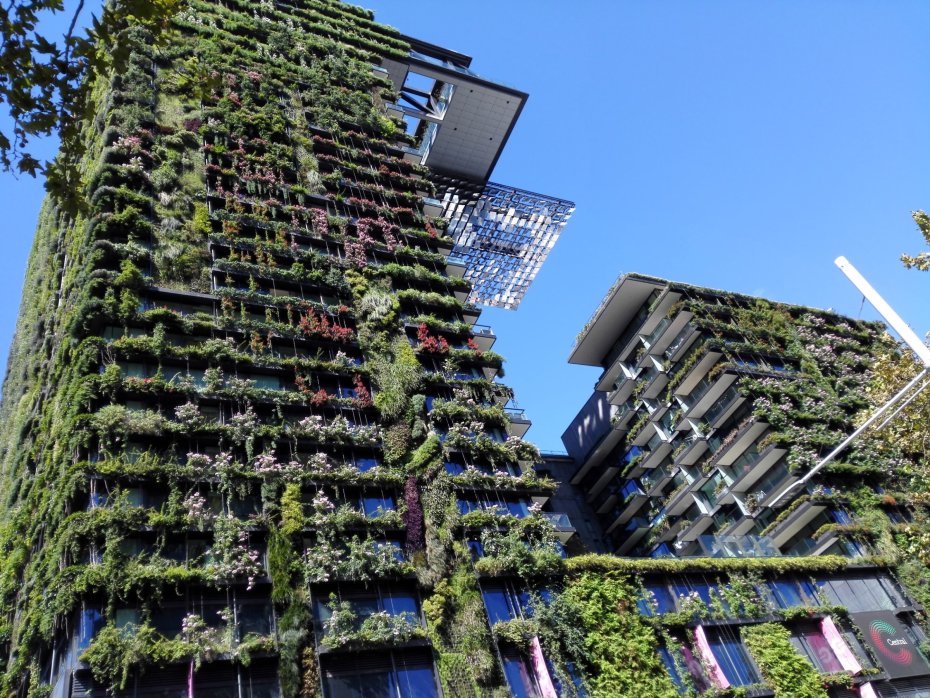
China, meanwhile, is embedding sustainability into its urbanisation strategy, with eco-cities and sponge city programmes at the forefront.
This evolving policy landscape reflects a long-term shift. Investors who fail to integrate ESG risk falling behind as planning authorities increasingly embed climate resilience into zoning, approval, and compliance processes.
Urban planning authorities and government representatives attending EXPO REAL Asia Pacific 2026 will be sharing insights on future regulations and collaboration models.
While mature markets dominate headlines, emerging economies in Southeast Asia are also gaining ground. Vietnam, the Philippines, and Indonesia are experiencing a surge in greenfield development, often tied to industrial parks, urban renewal zones, and transit corridors.
However, ESG integration in these contexts requires a nuanced approach. Local partnerships are essential for navigating land use, regulation, and cultural expectations. Solutions must be adapted, not imported wholesale, and capacity building is critical to ensure long-term success.
Challenges include access to affordable green finance, lack of technical standards, and limited availability of local materials and expertise. Still, the momentum is growing. Development banks, impact investors, and government stimulus are increasingly aligned to support scalable, sustainable growth.
For solution providers specialising in sustainable building technologies, APAC’s emerging cities represent a major opportunity for scalable impact.
Whether you're broadly exploring ESG in real estate or seeking actionable strategies for your organisation, EXPO REAL Asia Pacific 2026 is your gateway to the latest thinking and tools shaping sustainable development. Dive into first-hand insights on green finance, digital transformation, ESG implementation and future proofing across real estate lifecycles.
Participate in interactive sessions and dedicated panel discussions to exchange knowledge with fellow industry players. From institutional investors to technology innovators, a diverse line-up of speakers across Asia Pacific and beyond will cover critical themes like decarbonisation, disclosure standards, and resilience strategies. With the full spectrum of asset classes represented, you'll gain not only future-ready perspectives but also valuable connections to drive your ESG agenda forward.
Register your interest today to secure your participation and stay informed on real estate sustainability across Asia Pacific.
The future is clear: sustainability is no longer optional, it’s the foundation of long-term value creation in Asia Pacific real estate. For developers, this means embedding ESG into every stage of the asset lifecycle, from site selection and design to construction, operations, and disposal.
For investors, ESG offers a lens for identifying risk-adjusted returns in a changing world. It supports resilience against regulatory change, reputational scrutiny, and climate risk, while positioning portfolios for future growth.
As urban populations swell and environmental pressures mount, real estate will play a critical role in shaping how communities live, work, and thrive. Those who lead on ESG today are not just aligning with policy, they are shaping the future of the built environment across Asia.
Now is the time to act. Whether you're a fund manager, developer, or policymaker, EXPO REAL Asia Pacific 2026 provides the insights, partners, and opportunities to take your sustainability strategy forward.

As interest in ESG continues to grow, many stakeholders still have questions about how these trends are playing out in real estate across Asia Pacific.
Sustainable real estate investment involves directing capital into properties that prioritise environmental, social, and governance (ESG) performance. These assets are designed to reduce carbon emissions, improve energy efficiency, and support long-term climate resilience—making them increasingly attractive in Asia Pacific’s real estate market.
ESG in real estate is gaining momentum as investors seek to future-proof portfolios against climate risk and regulatory pressure. In Asia Pacific, government mandates, tenant expectations, and green financing options are accelerating the shift toward sustainable real estate practices.
Green building Asia initiatives offer measurable benefits such as higher rental yields, lower vacancy rates, and improved tenant wellbeing. Certifications like Green Mark (Singapore) and CASBEE (Japan) are also seen as quality markers by institutional real estate investors.
Institutional real estate investing is evolving, with funds increasingly allocating capital toward ESG-compliant assets. In the Asia real estate market, investors are favouring green-certified buildings and developments aligned with national sustainability goals and global climate commitments.
In 2026, sustainable real estate investment is being shaped by advances in green building technology, expanding ESG regulations, and growing participation from institutional investors. Events like EXPO REAL Asia Pacific 2026 showcase the strategies driving this transformation across the region.