
Posted 5th September 2025
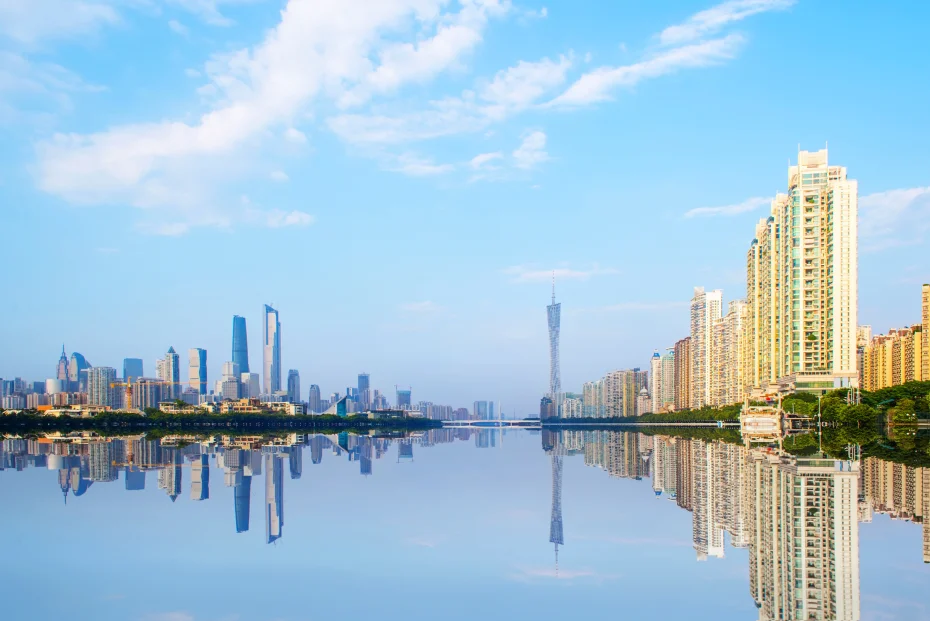
The Asia-Pacific (APAC) region is undergoing one of the world’s most rapid rates of urban development, a transformation that is reshaping its skylines and economies.
APAC is projected to add hundreds of millions of urban residents by 2050, placing unprecedented pressure on resources like housing, infrastructure, and land use. To accommodate this growth, cities from Jakarta to Tokyo are investing heavily in smart infrastructure, while developers and policymakers are racing to identify and implement sustainable solutions that balance economic expansion with environmental priorities.
EXPO REAL Asia Pacific 2026 will offer a strategic lens into these sweeping changes, bringing together real estate leaders, institutional investors, and city planners looking to grow in the region.
APAC is home to some of the world’s fastest-growing megacities, with Jakarta, Ho Chi Minh City, and Bangalore among those leading the charge.
These powerhouses of urban development are driving economic expansion, attracting global investors, and consequently reconceiving infrastructure priorities.
According to the UN’s Economic and Social Commission for Asia-Pacific, the region’s cities will represent 60% of the world’s urban population by 2050. In fact, APAC is already home to three of the planet’s most populous cities, namely Tokyo, New Delhi, and Shanghai. This urban concentration reinforces the region’s position as a centre of global growth and innovation.
As capital flows chase new opportunities emerging in APAC’s cities, cross-border investment into its real estate sector is accelerating. Institutional investors are targeting mixed-use developments, logistics hubs, and transit-oriented projects that can support booming populations and changing consumer patterns.
At the same time, secondary cities are emerging as strategic investment hotspots, supported by deliberate decentralisation strategies. Governments across APAC are actively incentivising development outside primary urban hubs through policies such as special economic zones (SEZs), regional infrastructure corridors, and targeted tax incentives.
Decentralisation is supported by investments in high-speed rail networks, airports, and logistics infrastructure. All these make it easier for businesses and residents to live and work in smaller cities without sacrificing connectivity or accessibility.
This urban development approach relieves the congestion and affordability pressures in megacities. It also fosters balanced economic growth, where new, spread-out urban clusters allow residential, commercial, and industrial projects to thrive.
APAC’s urban expansion is not only a demographic trend but a catalyst for smarter, more connected cities. The focus is shifting toward scalable infrastructure solutions, ESG-driven planning, and technology adoption to ensure that APAC’s urbanisation efforts remain sustainable and competitive on the world stage.
|
Urbanisation and Investment Shifts Reshaping APAC
|
|
Infrastructure spending has become one of the strongest drivers of urban development in APAC, underpinning both economic growth and real estate value creation.
According to CBRE’s Asia Pacific Office Innovation report, governments and institutions across the region are funnelling capital into smart city planning. These efforts include transit-oriented development (TOD) and digital connectivity to support employees in urban centres.
For example, new central business districts (CBDs) are emerging in Jakarta, integrating with areas that were previously exclusively residential. These locations now attract large numbers of technology and fintech companies, which are drawn to the more affordable rental costs and better accessibility for employees.
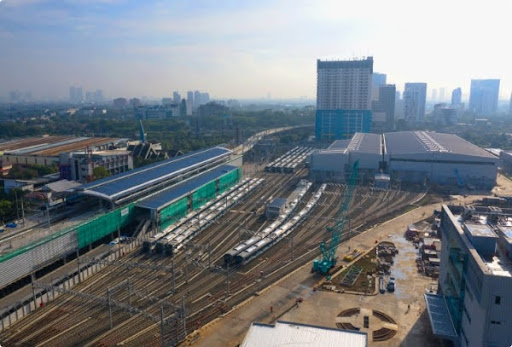
The ongoing expansion of the Jakarta MRT line plays a critical role in supporting these decentralised hubs. Transit-oriented development initiatives see the construction of modern office towers along Jakarta’s MRT lines and redeveloped residential areas, expanding commercial activity well beyond the traditional urban core.
Across APAC, institutional investors are increasingly aligning with these strategies, targeting logistics, transport, and energy infrastructure that enable cities to scale efficiently.
Another key driver is the emphasis on Environmental, Social, and Governance (ESG) considerations, with governments accelerating the adoption of sustainable building standards through renewable energy integration and decarbonisation targets.
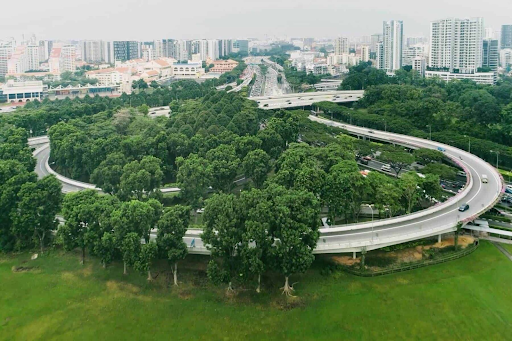
Singapore’s Green Plan 2030 stands out as a leading initiative in the region, targeting 80% green-certified buildings by floor area and enforcing stricter energy efficiency standards for new developments. Meanwhile, India is making strides by offering tax incentives to developers that incorporate green building standards.
These commitments are driving demand for sustainable financing, opening the door for real estate funds and infrastructure investors focused on long-term value.
The convergence of public policy, private capital, and technology adoption is setting a new benchmark for city-making in APAC. Investors who understand these infrastructure-led dynamics stand to benefit from the next wave of urban transformation, where smart, sustainable projects increasingly determine market competitiveness.
Register your interest to visit EXPO REAL Asia Pacific 2026 to connect with key players shaping these markets.
|
Singapore’s Green Plan 2030 targets include:
|
|
Technology is establishing itself as a bedrock of urban development in APAC, impacting how cities are planned, built, and operated. From intelligent transport systems to connected real estate assets, digital innovation is advancing efforts to create efficient, resilient, and sustainable urban environments.
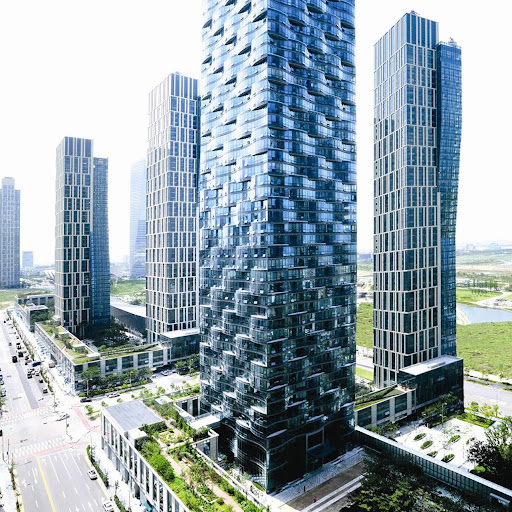
South Korea is leading with the Songdo smart city, designed with integrated data platforms that optimise energy use, traffic flow, and public services. In Japan, the Koshiwa-no-ha Smart City Project incorporates a smart grid to reduce electricity consumption and ensure a reliable power supply even during outages. Meanwhile, Australian cities like Sydney and Melbourne are investing in digital twins to model urban growth scenarios and optimise infrastructure planning.
Additionally, property technology (PropTech), a market that is expected to reach a global value of USD $103.57 billion by 2033, is also influencing investment decisions in APAC. Tools like advanced analytics, blockchain-based transactions, ESG-compliant design, and AI-driven valuation tools are giving developers and investors unprecedented visibility into market dynamics.
By enabling more efficient due diligence, improving transparency, and identifying performance risks early, these technologies reduce uncertainty and unlock smarter capital allocation in real estate. For developers, this means optimising project timelines and design decisions; for investors, it offers deeper insights into asset performance, regulatory compliance, and long-term value creation.
Explore the PropTech tools and digital solutions transforming urban planning at EXPO REAL Asia Pacific 2026.
|
Examples of PropTech in APAC real estate include:
|
|
APAC’s rapid urban development and transformation present exciting opportunities for the region’s real estate ecosystem.
Developers are well-positioned to capture long-term demand by prioritising sustainable, mixed-use projects that align with consumer preferences and government policies. Urban residents increasingly seek integrated communities that combine residential, office, and lifestyle spaces, creating opportunities for innovative design and placemaking.
For municipal planners, smart infrastructure and PropTech adoption will be powerful tools for forecasting growth, optimising land use, and ensuring that ESG targets are met. Strategic investments in transport corridors, green infrastructure, and digital connectivity will be vital to sustaining competitiveness.
Meanwhile, institutional investors also play a pivotal role, with cross-border capital increasingly targeting APAC’s high-growth urban centres. ESG compliance, risk management, and data-driven insights are guiding portfolio strategies, making partnerships with developers and city governments essential.
The path forward will hinge on collaboration between the public and private sectors. By aligning capital investment with urban policy objectives, stakeholders can fast-track the development of future-ready cities that deliver lasting value for communities and stakeholders alike.

EXPO REAL Asia Pacific 2026 will serve as the region’s premier convergence point for city leaders, urban planners, developers, and solution providers shaping the next era of growth.
With a strong focus on urban transformation, ESG integration, and innovation, the event will showcase actionable strategies, investment opportunities, and cutting-edge technologies redefining APAC’s built environment.
From curated business matching programmes to insight-driven panels, EXPO REAL Asia Pacific 2026 offers unparalleled access to decision-makers across real estate, infrastructure, and investment sectors.
Don’t miss your chance to be part of APAC’s leading platform for real estate innovation and strategic investment dialogue:
Urban development is one of the most powerful forces shaping APAC’s real estate landscape, driving demand for smarter cities, sustainable design, and innovative investment strategies.
EXPO REAL Asia Pacific 2026 offers a front-row seat to these transformative trends, connecting you with decision-makers and opportunities that will define the region’s future cities.
Explore the full programme and find your opportunity to participate: