
Posted 9th December 2025
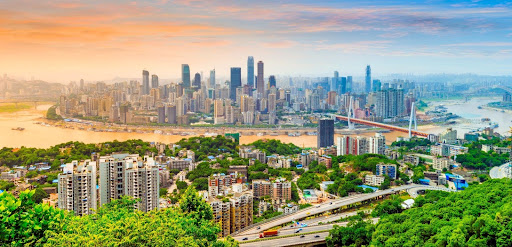
Across Asia Pacific (APAC), factors including rapid urbanisation, growing climate risks, and the need for more resilient cities have accelerated the adoption of sustainable real estate development.
Governments are actively rolling out incentives, certification pathways, and stricter environmental rules, including various green building requirements. Meanwhile, investors are leading the transition by channelling funds into sustainable real estate investment opportunities that align with long-term climate and regulatory trends.
Environmental, Social, and Governance (ESG)-focused sustainable development goes beyond standard "green buildings". It encompasses how an asset is planned, constructed and operated throughout its entire lifetime.
In APAC, sustainable real estate is defined not only by energy-efficient systems and low-carbon materials, but also by responsible water usage, waste reduction, indoor wellbeing standards, and long-term operational resilience.
A range of ESG and sustainability certification frameworks now guide real estate stakeholders across APAC. These global and regional standards include:
LEED (Leadership in Energy and Environmental Design)
Measures an asset's sustainability performance through metrics such as energy, water, materials, and indoor environmental quality. This standard is widely used for commercial and mixed-use developments.
BREEAM (Building Research Establishment Environmental Assessment Method)
Evaluates environmental performance from design to long-term operation, emphasising benchmarks like low-impact design, the ecological value brought by the property, and even the health and wellness of its occupants.
Focuses on human health and wellbeing within buildings. Key concepts under the WELL standard include air quality, access to clean water, support for occupants' mental health, and fostering community and social connections.
GRESB (Global Real Estate Sustainability Benchmark)
GRESB is the leading ESG benchmark for global real estate portfolios and infrastructure assets. Institutional investors use this benchmark to assess sustainability performance at the fund and asset level, ensuring that shareholder value is protected.
A set of comprehensive ESG disclosure requirements that provide transparency to investors regarding associated risks and opportunities. These metrics include climate impact, energy use, and governance strategies.
Together, these frameworks evaluate how well real estate assets perform environmentally, how they protect occupant wellbeing, and how they are governed, offering a holistic assessment of their true sustainability value.
Sustainable development standards are becoming increasingly critical as ESG considerations continue to shape investor expectations and influence real estate valuation.
Learn more about sustainability frameworks and certifications in APAC's real estate markets at EXPO REAL Asia Pacific 2026.
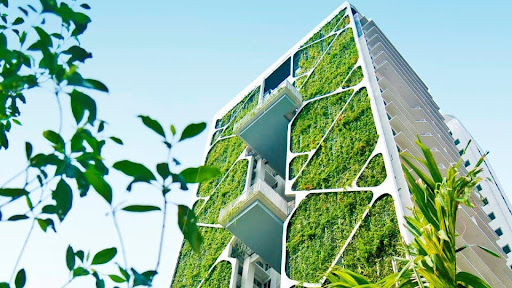
Image credit: Tree House by City Development Limited (CDL)
Sustainable building strategies are driving competitiveness, tenant demand, and long-term asset value.
According to a report by JLL, improving energy efficiency and integrating renewable energy in real estate can reduce operating costs and even generate additional revenue, with a potential upside of 25%-50% through energy management, storage, and generation.
Older and potentially obsolete buildings represent a massive opportunity as well. JLL estimates that 1.5 billion sq. ft. of such stock is currently available in markets with strong sustainability value-add potential. Investors who proactively retrofit or upgrade these assets can capture both operational savings and market premiums.
Tenant demand is another vital contributor. Major tenants are selecting spaces that help them meet their carbon reduction goals, and they are willing to pay more for energy-efficient, lower-emission buildings that support operational goals, making sustainability a core value driver.
Finally, climate risks, such as flooding and extreme heat, impact 53% of real estate investment worldwide. Incorporating adaptive and low-carbon strategies not only mitigates these risks but also protects and enhances asset value across sectors.
Sustainability initiatives also impact real estate sectors differently:
| Sector | Investment Momentum | Low-Carbon Lease Demand | Energy Market Dynamics |
|---|---|---|---|
| Office | Low | High | Low |
| Industrial | Medium | Medium | High |
| Data Centres | High | High | High |
| Hotels | Medium | Medium | Medium |
Adapted from JLL: Value creation through energy-smart, low-carbon buildings
Developers and investors no longer evaluate properties in APAC solely by yield or location. An asset's sustainability value is just as essential, measured through its social impact, environmental performance, and governance strategies.
Strong ESG-aligned real estate frameworks across APAC are driving the adoption of green-certified buildings and climate-resilient projects, allowing developers to match regulatory compliance and simultaneously fuel their competitive advantage.
Some government policies and regional initiatives across APAC that are facilitating the uptake of sustainable real estate development:
Hong Kong's Climate Action Plan 2050 incentivises energy-efficient designs, renewable energy integration, and environmentally responsible building operations, all aimed at encouraging developers to align projects with long-term climate goals.
There is a particular focus on reducing the electricity consumption of both commercial and residential buildings by 20 to 40%, alongside implementing more effective waste management and recycling methods.
Alongside green buildings, green transportation is also a priority, with the Hong Kong government targeting zero vehicular emissions by 2050. Efforts towards this goal include the promotion of electric ferries and buses across the island.
South Korea is another major Asian nation incorporating sustainable urban development as part of a broader action plan to mitigate climate risks.
In addition to investments in green energy and alternative fuel sources, the South Korean government is concentrating on sustainable real estate assets, particularly in public spaces. Significant projects include:
Remodelling older public rental homes and healthcare facilities to become eco-efficient.
Constructing daycare centres and public sports facilities with energy-efficient and eco-friendly materials.
Refurbishing over 1,000 recreation facilities with energy-efficient features, including solar power systems and environmentally friendly LED lighting.
This initiative not only drives urban renewal across sectors but also strengthens the resilience of the nation's cities against climate risks.
ASEAN BUILT is a collaborative platform promoting sustainable construction, green building practices, and low-carbon urban planning across Southeast Asia.
Established by the ASEAN Centre for Energy (ACE) in partnership with the Global Green Growth Institute (GGGI), the BUILT initiative encourages cross-border investment and knowledge sharing aimed at supporting the transition to low-carbon buildings.
The platform offers four key services:
A project database cataloguing low-carbon building projects regionwide.
A low-carbon calculator to help users evaluate carbon reductions, potential energy savings, and projected Return on Investment (ROI) for their assets.
Assistance for building owners in securing investments by matching them with relevant financial institutions.
A knowledge sharing hub featuring resources on low-carbon best practices, as well as a directory of technology and energy service providers.
With these services, ASEAN BUILT aims to act as a comprehensive ecosystem of expertise and innovation focused on advancing low-carbon buildings.
Singapore's SGX now mandates listed companies to disclose carbon emissions, climate-related risks, governance practices, and measurable sustainability targets.
This new level of transparency provides investors with reliable ESG data, allowing them to make stronger portfolio decisions and encouraging developers to integrate long-term sustainability practices in their assets.
The components required in SGX's new sustainability reporting framework include:
Material ESG factors as they pertain to the surrounding physical environment and social community.
Disclosure of climate-related risks and opportunities.
Policies, practices, and performance related to material ESG factors.
Short-, medium-, and long-term ESG targets.
The combination of regulatory frameworks, government support, and corporate leadership is putting sustainable urban development in APAC in the mainstream.
Developers are increasingly pursuing green-certified projects, while investors are focusing on ESG-aligned assets to secure long-term returns, manage climate and regulatory risks, and meet growing market expectations.
As sustainable practices become a central consideration for financing and valuation decisions, ESG-led real estate projects are positioned to outperform traditional assets in both value and resilience.
Discover how sustainability is reshaping real estate portfolios and influencing capital flow decisions at EXPO REAL Asia Pacific 2026.
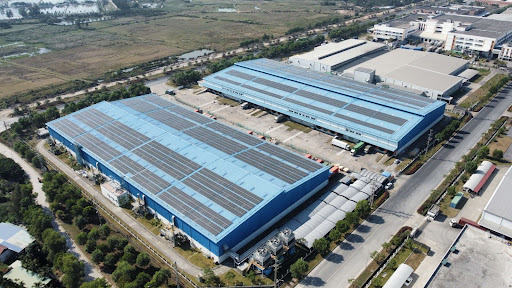
Featuring Sembcorp Logistics Park Hai Phong, with rooftop solar installation to reduce carbon emissions.
Image Credit: The Business Times, 2025
Sustainably designed and operated properties are emerging as a powerful strategic advantage for both developers and investors.
In APAC, buildings with strong sustainability credentials are likely to achieve higher occupancy rates, reduced operating expenses, and stronger long-term valuation. They also offer advantages in terms of liquidity, as global and regional capital continue to actively prioritise assets that meet ESG expectations.
One of the clearest indicators of this shift is the "green premium." According to JLL, green-certified office buildings in Asia can command rental rates up to 11% higher than comparable non-certified buildings.
Investor sentiment mirrors these market dynamics. In CBRE's 2025 Asia Pacific Investor Intentions Survey, 56% of investors identified the acquisition or development of sustainable real estate as their highest ESG priority. This aligns with broader market trends that favour climate-resilient, future-proof real estate.
Financing is another critical benefit for developers and asset owners. By pursuing sustainable urban developments and upgrades, they gain access to a wider range of financing opportunities, such as green bonds and sustainability-linked loans.
For example, the Pan Pacific Orchard hotel in Singapore successfully secured a green loan worth S$120 million for redevelopment works, on the merits of its Green Mark Platinum certification from the Singapore Building and Construction Authority.
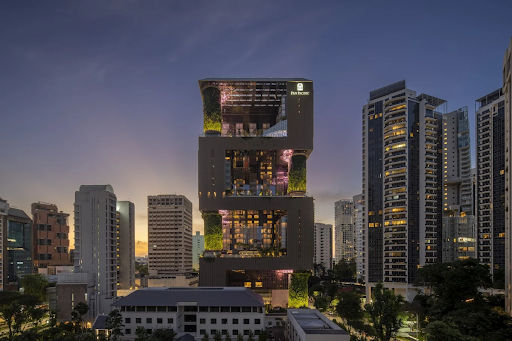
Pan Pacific Orchard, Singapore
Furthermore, performance data also reinforces the value of ESG-aligned property development. Research by GRESB and ANREV shows that real estate funds with higher ESG scores provide stronger portfolio resilience and offer long-term value, even in volatile markets.
Finally, sustainable developments are now closely tied to broader urban growth patterns. Many green-certified properties are integrated within mixed-use precincts and transit-oriented developments, enhancing accessibility and providing more diverse opportunities for developers and investors.
A notable example is Tokyo's Toranomon-Azabudai District, which combines office, retail, residential, and green spaces within an energy-efficient, low-emission urban ecosystem.
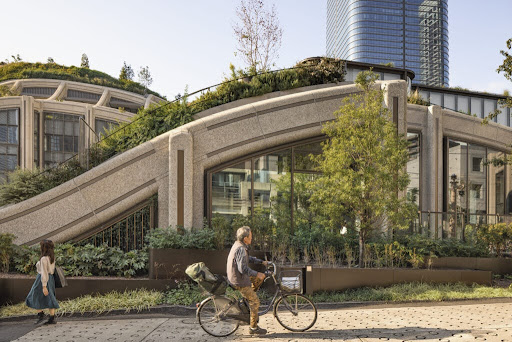
Featuring: Tokyo’s Toranomon-Azabudai District
Higher upfront costs and design complexity
Green-certified buildings and assets typically call for more advanced or rare materials, energy systems, and design considerations. This can increase upfront development costs and deter asset owners from investing in remodelling or new development projects.
Regulatory variability across APAC
ESG and sustainability requirements still differ significantly between countries and cities, which can complicate processes for developers and investors operating across multiple jurisdictions.
Long-term ROI considerations
While sustainable real estate assets like green buildings offer operational savings and higher appeal for tenants, investors may need a longer horizon to realise the full financial benefits compared with conventional assets.
These challenges can be addressed through existing and future government incentives, green financing instruments, ESG-focused investment funds, and collaborations with experienced developers and sustainability consultants.
Explore these opportunities and more at EXPO REAL Asia Pacific 2026.
EXPO REAL Asia Pacific 2026 is the premier platform where investors, developers, urban planners, and ESG solutions providers converge to explore the future of the region's real estate and infrastructure markets.
You will gain first-hand insights into green building policies, ESG-driven capital flows, certification trends, and frameworks for sustainable urban development.
Discover ready-to-invest land sites, mixed-use developments, and public-private collaboration opportunities, and learn directly from city leaders about the long-term infrastructure strategies for Asia's cities.
The event will also showcase the latest technology solutions for ESG compliance and decarbonisation, helping you align projects and portfolios with sustainability and long-term value creation. Do keep a lookout for featured topics and speakers for stages onsite, to be announced soon.
Don't miss your chance to be part of APAC's leading platform for real estate innovation and sustainability strategies:
Sustainable real estate and ESG-aligned development are key drivers of high-value, resilient urban growth in APAC. EXPO REAL Asia Pacific 2026 is your opportunity to connect with market leaders, explore investment opportunities, and understand how sustainability is transforming Asia's real estate capital markets.
Explore the full programme and find your opportunity to participate:
APAC's rapid urbanisation, climate exposure, and regulatory shifts are pushing developers and investors to prioritise low-carbon buildings. Green-certified assets also deliver lower operating costs, better tenant retention, and long-term investment resilience.
Certified sustainable buildings often command higher rents, improved occupancy, and stronger resale value. Studies such as JLL's "green premium" show rental uplifts of up to 11% for certified office buildings in APAC.
Key frameworks include LEED, BREEAM, WELL, GRESB, ISSB/SASB, and TCFD-aligned disclosures. These help investors assess environmental performance, resilience, and long-term risk across their portfolios.
Upfront costs can be higher due to materials, technology, and design complexity. However, these costs are often offset by lower energy use, maintenance savings, government incentives, and rising tenant demand for sustainable spaces.
The event connects investors, developers, and city leaders to the latest ESG innovations, green financing options, and urban development projects across APAC. Attendees gain insights into sustainable real estate investment trends and access to actionable collaboration opportunities.